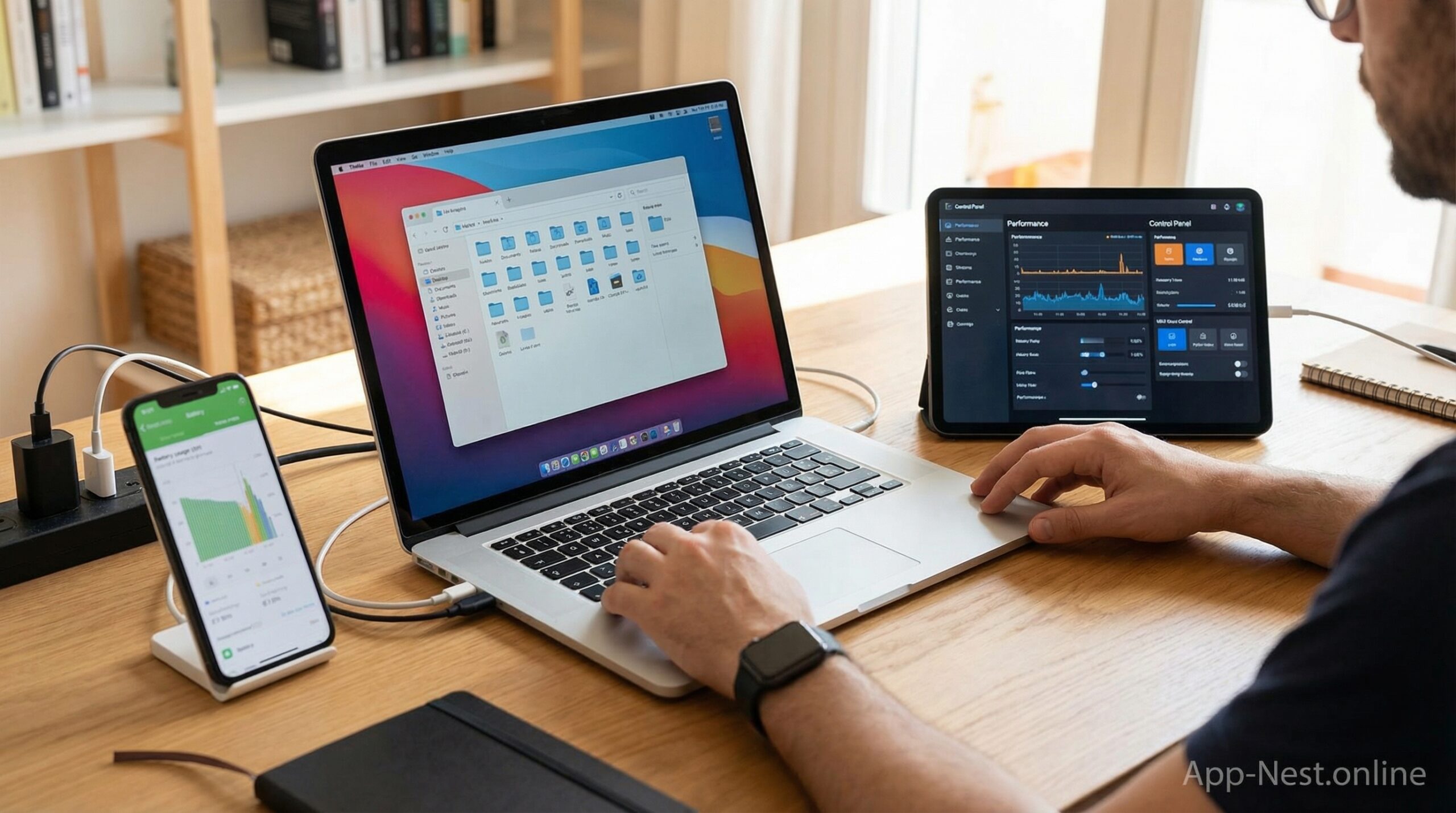
Digital devices are used daily for work, communication, learning, and entertainment. Managing these devices requires tools that help users control performance, storage, battery usage, and system behavior. Utilities and tools apps support daily device management by helping users organize, monitor, and maintain their devices through digital systems.
This article explains utilities and tools apps for daily device management and optimization, how they work, how users rely on them, and how they support effective device usage.
What Are Utilities and Tools Apps
Utilities and tools apps are digital applications designed to support device management tasks. These apps help users control system functions, manage storage, monitor performance, and maintain device operations.
Users install utilities and tools apps on smartphones, tablets, or computers. These apps focus on supporting device-level functions rather than content creation or communication.
Role of Device Management in Daily Use
Daily device use involves multiple system activities such as running apps, storing files, and maintaining connectivity. Device management ensures that systems run smoothly and resources are used efficiently.
Utilities and tools apps support device management by providing users with control and visibility over system operations. These apps help users manage tasks without accessing complex system settings.
Role of Optimization in Device Performance
Optimization refers to managing system resources to support smooth operation. Optimization does not change device capabilities but helps manage existing resources.
Utilities and tools apps support optimization by:
Managing storage usage
Monitoring system activity
Managing background processes
Supporting battery usage control
Optimization helps users maintain device usability over time.
Types of Utilities and Tools Apps
Utilities and tools apps can be grouped based on the device management tasks they support.
System Monitoring Apps
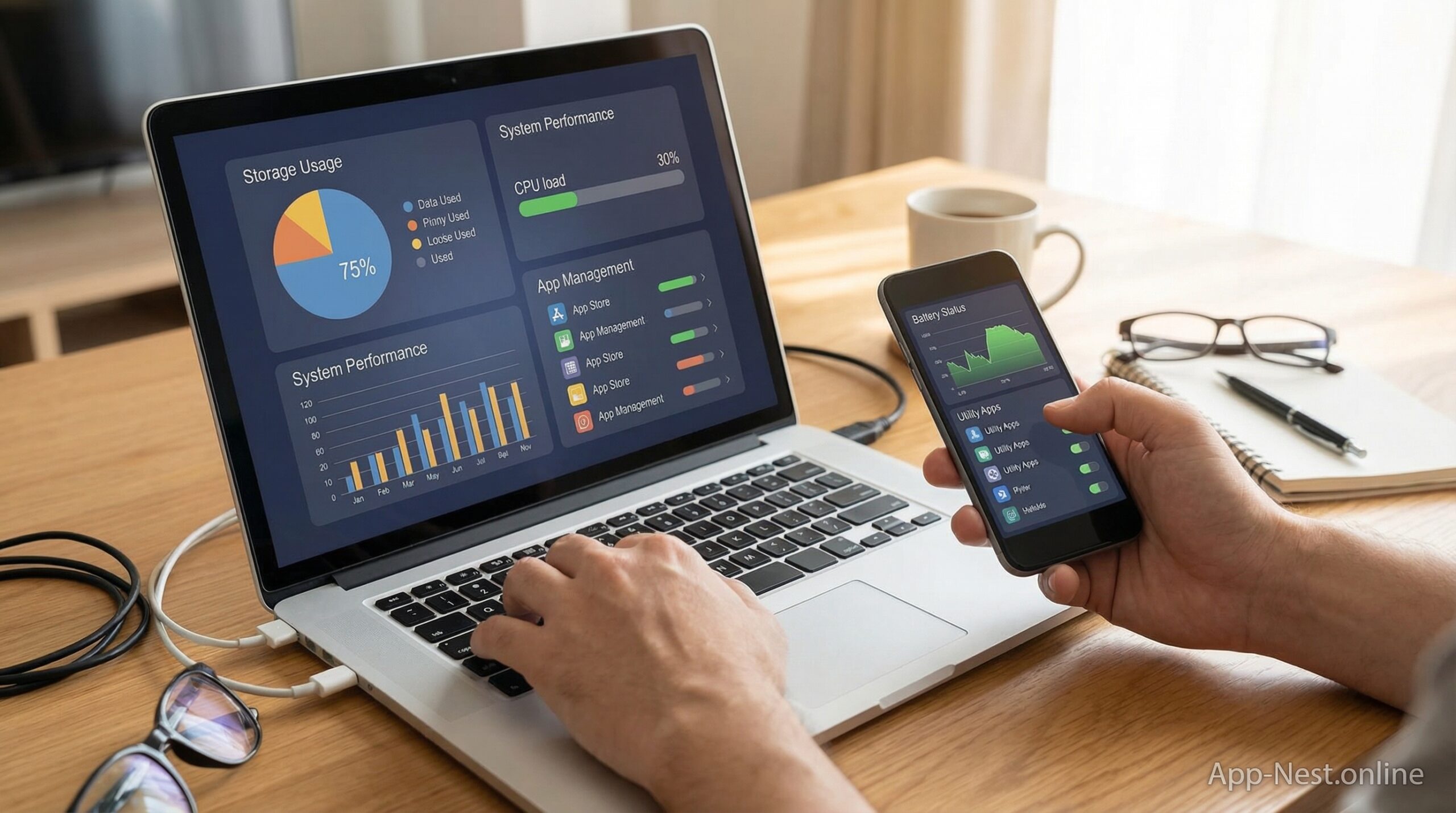
System monitoring apps track device activity. Users view information such as memory usage, processor activity, and system status.
These apps help users understand how their devices are being used.
Storage Management Apps
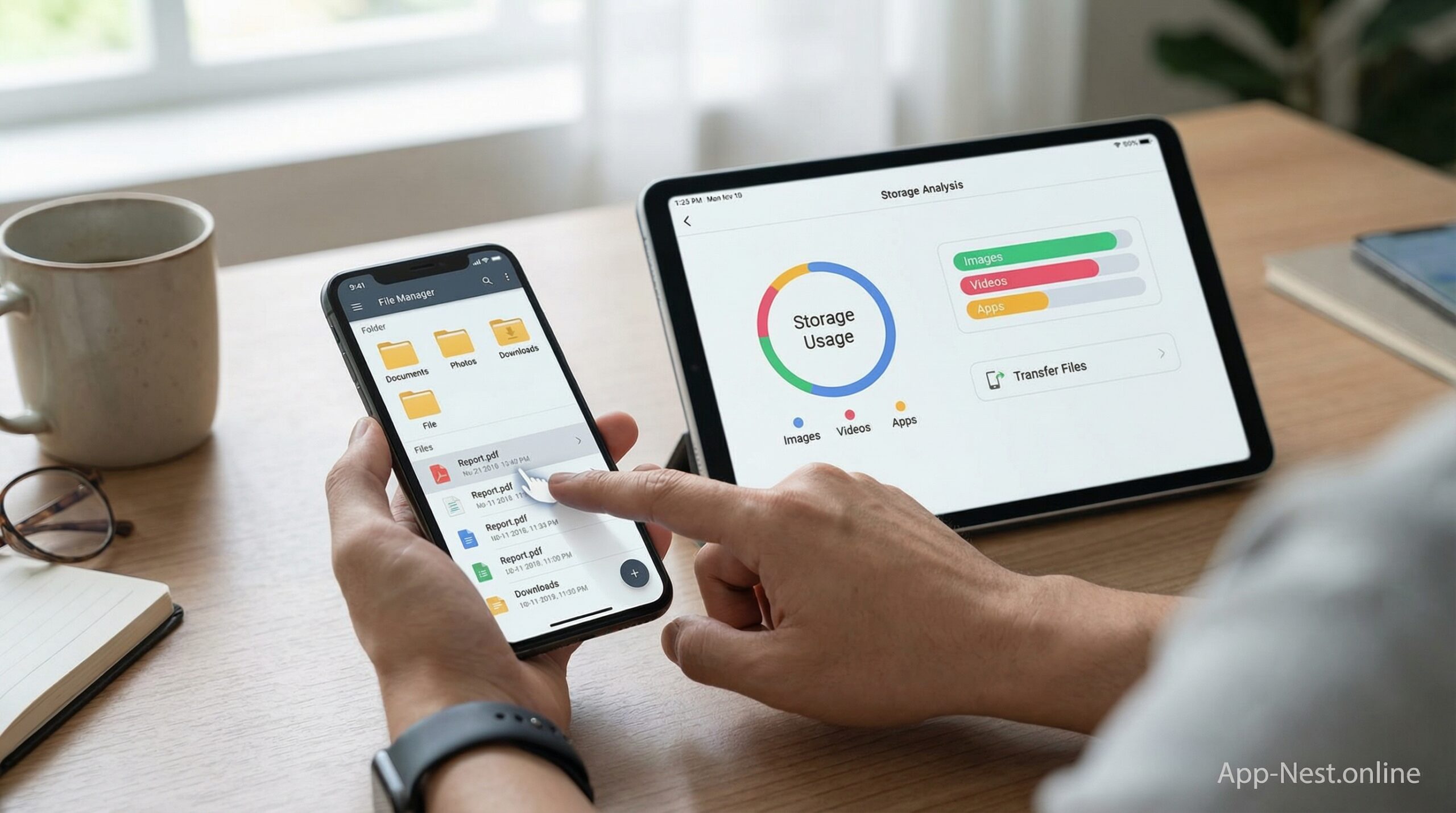
Storage management apps help users manage files and storage space. Users identify large files and unused data.
These apps support file organization and cleanup.
Battery Management Apps
Battery management apps monitor battery usage. Users view power consumption by apps and system processes.
These apps help users manage device power usage during daily activity.
App Management Apps
App management apps help users control installed applications. Users view app usage and manage app permissions.
These apps support organized app usage.
File Management Apps
File management apps allow users to browse, organize, and move files. Users manage folders and documents through these apps.
File management supports daily device organization.
Security and Maintenance Tools
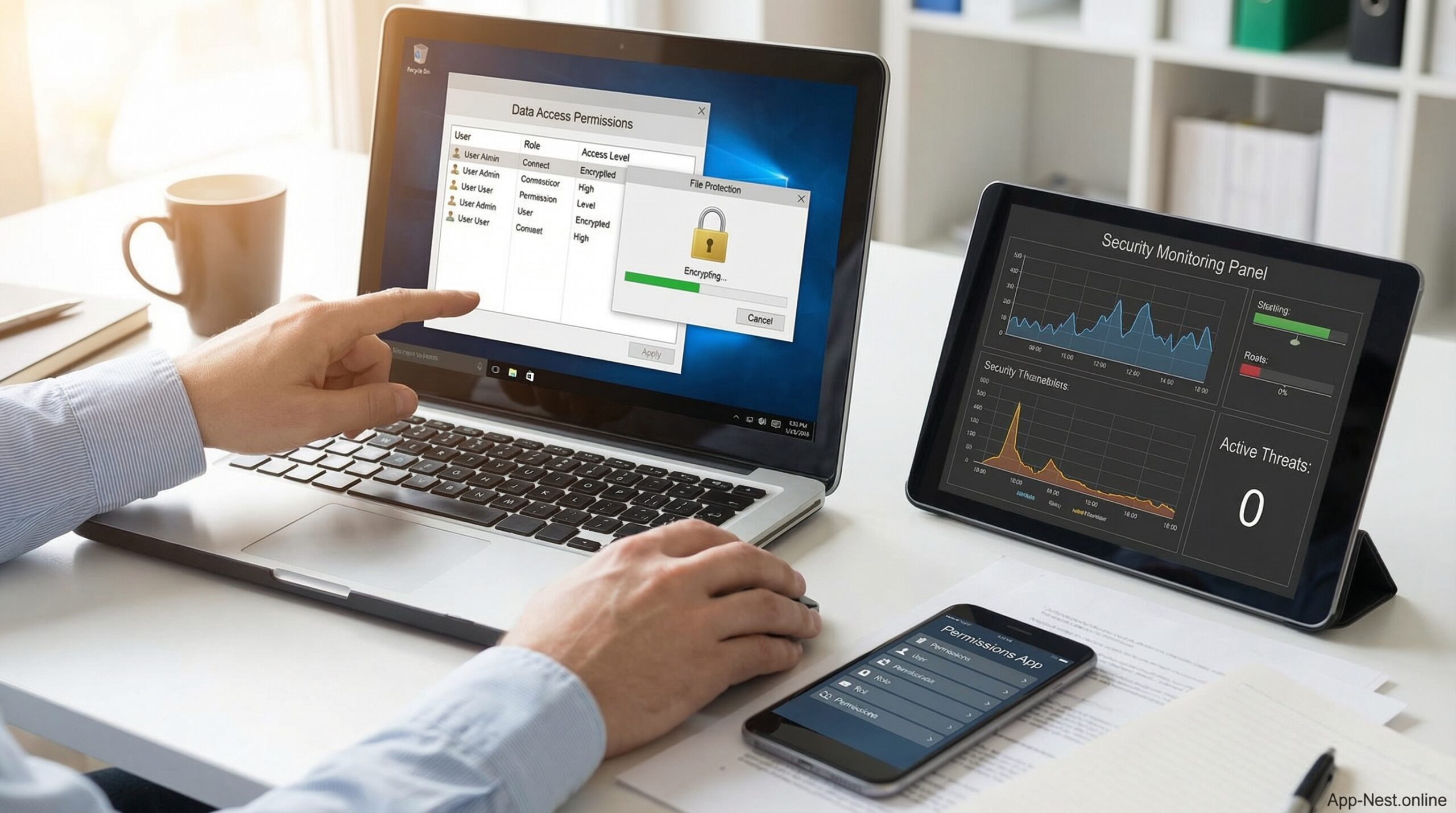
Some utilities apps support system security and maintenance. These apps help manage permissions and system behavior.
Security tools support safe device usage.
How Utilities and Tools Apps Work
Utilities and tools apps work by accessing system information and controls through allowed interfaces.
Users install apps and grant permissions. The app collects data related to system activity. Information is displayed through dashboards or lists.
Users perform actions such as clearing storage, managing apps, or monitoring performance through the app interface.
How Users Use Utilities and Tools Apps Daily
Utilities and tools apps are used for routine device tasks.
Managing Storage
Users check available storage space. Files are reviewed and organized. Unused data is identified.
Monitoring System Usage
Users review system activity such as memory and processor usage. Monitoring helps identify heavy usage.
Managing Installed Apps
Users review installed apps and usage patterns. Apps may be removed or managed based on usage.
Controlling Battery Usage
Users monitor battery consumption. Power usage is reviewed for different apps.
Organizing Files
Users organize files and folders. File management supports access and storage control.
Benefits of Utilities and Tools Apps for Device Management
Utilities and tools apps support daily device management in multiple ways.
System Awareness
Users gain awareness of system activity. Information helps users make decisions.
Organized Device Usage
Files and apps are managed through structured tools. Devices remain organized.
Resource Control
Users control how resources are used. Management supports device stability.
Time Management
Tasks are completed through app interfaces. Users avoid manual system navigation.
Support for Daily Tasks
Utilities apps support daily device tasks. Users rely on these tools for maintenance.
Benefits of Optimization Through Utilities Apps
Optimization supports device usability.
Storage Control
Managing storage prevents space-related issues. Users manage files effectively.
Battery Usage Management
Monitoring battery usage helps users plan device usage.
App Performance Control
Managing background activity supports smooth operation.
System Stability
Regular management supports stable system behavior.
Challenges of Using Utilities and Tools Apps
Utilities and tools apps also present challenges.
Some apps require permissions that users must review carefully. Incorrect usage may affect system behavior.
Users must understand app functions to avoid unintended changes. Device compatibility may vary.
Privacy considerations are important when granting permissions.
Choosing Utilities and Tools Apps for Daily Device Management
Selecting utilities apps depends on device needs.
Users should consider:
Supported device platforms
Required permissions
Management features
Interface clarity
Update frequency
Apps should support user control and transparency.
Utilities and Tools Apps for Different Devices
Utilities apps support various devices.
Smartphones
Smartphone utilities help manage apps, storage, and battery usage. Users rely on these apps for daily mobile use.
Tablets
Tablet utilities support file management and system monitoring. Tablets used for work or learning benefit from organization tools.
Computers
Computer utilities support system monitoring and file management. Users manage performance through tools.
Role of Utilities Apps in Personal Productivity
Device management affects productivity.
When devices are organized and monitored, users complete tasks without interruption. Utilities apps support smooth daily workflows.
Organized devices support focus and task completion.
Utilities and Tools Apps in Work Environments
Work environments rely on stable devices.
Utilities apps help manage system usage during work tasks. Employees use tools to monitor performance and manage storage.
Device management supports work continuity.
Utilities Apps and Digital Maintenance Habits
Regular use of utilities apps builds maintenance habits.
Users check storage and system status regularly. Maintenance becomes part of daily device use.
These habits support long-term device usability.
Utilities and Tools Apps and Digital Security
Some utilities apps support security functions.
Managing permissions and system access supports safe device use. Users review app access and system behavior.
Security tools complement device management.
Impact of Utilities and Tools Apps on Device Lifespan
Proper management supports device longevity.
Managing storage and system usage helps maintain performance. Utilities apps support responsible device usage.
Users rely on tools to maintain devices over time.
Future of Utilities and Tools Apps
Utilities and tools apps will continue to support daily device management.
As devices evolve, management tools will adapt to system changes. Users will continue relying on apps to manage devices.
Utilities apps will remain part of digital device ecosystems.
Conclusion
Utilities and tools apps support daily device management and optimization through digital platforms. These apps help users monitor system activity, manage storage, control app usage, and organize files.
Users rely on utilities apps to maintain devices and support daily tasks. By providing visibility and control, utilities and tools apps help users manage devices effectively.
As digital device use continues to grow, utilities and tools apps will remain an important part of daily device management and optimization.