
Online education has become a common part of learning for students, teachers, and working individuals. Learning apps play a key role in this change. These apps provide access to courses, lessons, practice material, and skill-based training through mobile phones and computers. Users rely on learning apps to gain knowledge, prepare for exams, and develop skills needed for education and work.
This article explains learning apps used for online education and skill development, how they work, why they are used, and how learners benefit from them.
What Are Learning Apps for Online Education
Learning apps are digital platforms that support education through structured content. These apps provide lessons, videos, reading material, quizzes, and assignments. Users access content through mobile devices or web browsers. Learning apps support school education, higher education, professional learning, and personal skill growth.
Online education apps allow users to study without attending physical classrooms. Lessons are delivered through recorded videos, live sessions, or text-based material. Skill development apps focus on practical learning related to technology, business, languages, and other fields.
Role of Learning Apps in Online Education
Learning apps support online education by connecting learners and educators through digital platforms. These apps replace or support classroom teaching. Teachers upload lessons, assignments, and tests. Students access material, submit work, and track progress.
Online education apps help institutions deliver courses to students in different locations. These apps support learning continuity during remote education. Learners study based on their schedule and pace.
Role of Learning Apps in Skill Development
Skill development apps focus on learning abilities required for careers and daily tasks. These apps provide structured learning paths for coding, design, writing, communication, and business skills. Users follow lessons and practice exercises to build skills.
Skill learning apps help individuals upgrade knowledge without enrolling in full-time programs. Learners use these apps for career growth and self learning.
Types of Learning Apps for Online Education and Skills
Learning apps can be grouped based on learning goals and content type.
Online Course Platforms
Online course platforms offer structured courses on academic subjects and skills. These apps include lesson modules, videos, reading material, quizzes, and completion tracking. Users enroll in courses and follow a defined learning path.
Learning Management Apps
Learning management apps help manage courses, users, and assessments. Teachers use these apps to upload lessons, assign tasks, and track learner progress. Students use them to access course material and submit assignments.
Skill Training Apps
Skill training apps focus on practical learning. These apps provide lessons and exercises related to job-related skills. Users learn through projects, tasks, and practice sessions.
Exam Preparation Apps
Exam preparation apps help learners prepare for academic and competitive exams. These apps provide practice questions, test series, and performance analysis. Users use them for exam planning and revision.
Language Learning Apps
Language learning apps help users learn new languages. These apps include vocabulary lessons, grammar practice, speaking tasks, and listening exercises. Learners practice language skills through daily lessons.
Coding and Technical Learning Apps
Coding apps focus on programming and technical skills. These apps provide lessons, exercises, and coding challenges. Users learn programming languages and technical concepts through structured content.
Professional Development Apps
Professional development apps support workplace learning. These apps focus on management, communication, leadership, and technical training. Users use these apps for career learning.
Video Learning Apps
Video learning apps deliver education through recorded or live videos. Learners watch lessons and follow explanations through visual content. These apps support online classrooms and self learning.
Practice and Quiz Apps
Practice apps provide quizzes and tests for revision. Users answer questions and receive feedback. Teachers use these apps for assessments and practice activities.
Reading and Study Apps
Reading apps provide digital books and learning resources. Students use these apps for textbooks, reference material, and reading practice.
How Learning Apps Support Students
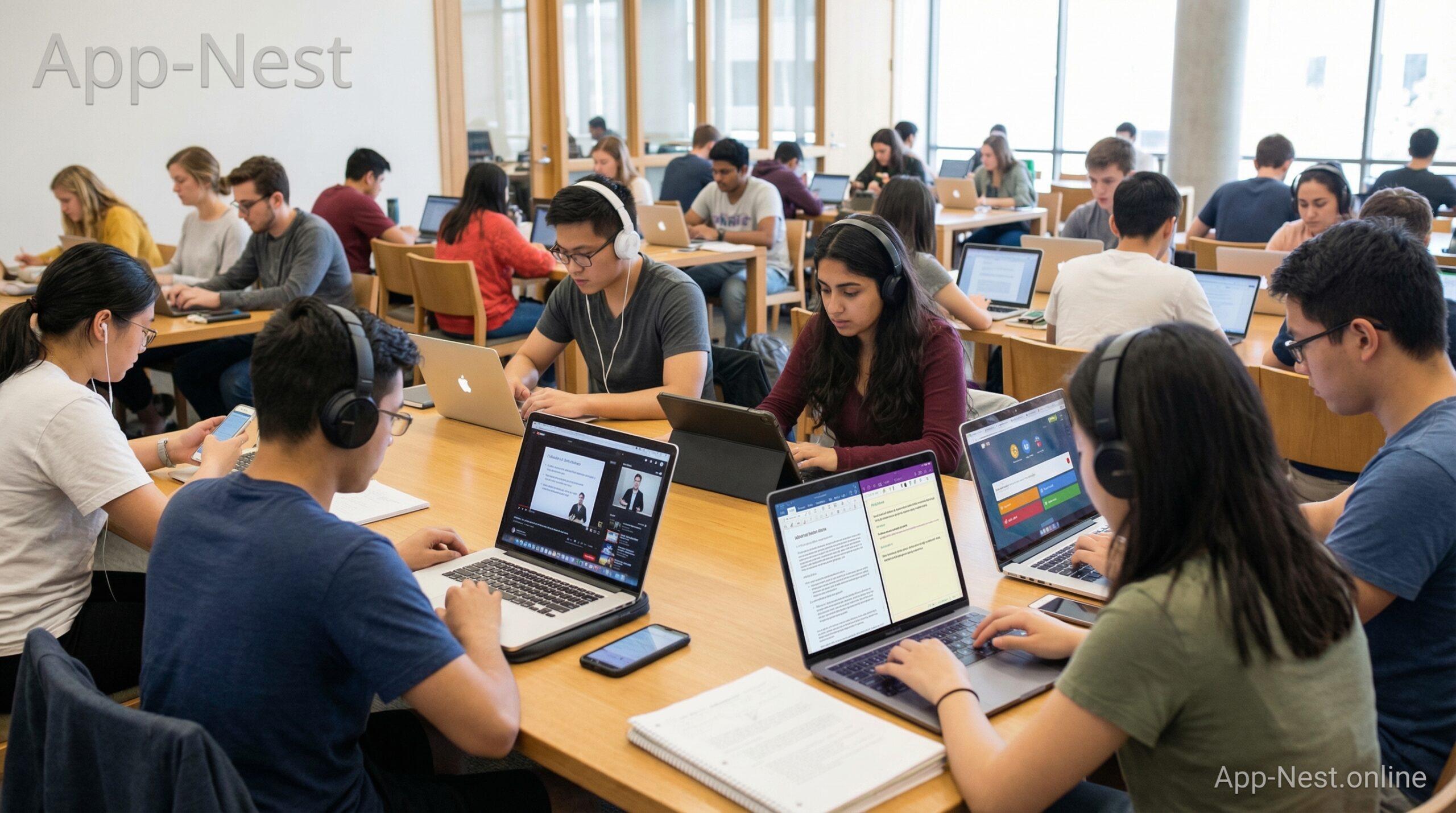
Students use learning apps for academic learning and skill development. These apps provide access to lessons outside classrooms. Students attend online classes through apps and watch recorded lessons.
Learning apps help students revise topics using quizzes and notes. Exam preparation apps support practice and test planning. Skill learning apps help students gain additional knowledge outside school curricula.
Students also use learning apps to manage study schedules and track progress. Learning apps support independent learning and self study.
How Learning Apps Support Teachers
Teachers use learning apps to deliver lessons and manage classes. These apps allow teachers to upload study material and assignments. Teachers create quizzes and tests through digital platforms.
Learning apps help teachers track student progress and performance. Communication features allow teachers to share updates with students. Some apps also support teacher training and resource sharing.
Benefits of Learning Apps for Online Education
Learning apps provide multiple benefits for online education and skill development.
Flexible Learning Access
Users can access learning material at any time. Students study based on their availability. Teachers manage lessons without time restrictions.
Centralized Learning Content
Learning apps store lessons, assignments, and assessments in one place. This helps users organize learning activities.
Progress Monitoring
Many learning apps track user progress. Learners view completed lessons and pending tasks. Teachers monitor student performance.
Support for Remote Learning
Learning apps support distance education. Students and teachers connect without physical classrooms. Institutions deliver courses through online platforms.
Skill-Focused Learning
Skill development apps provide targeted learning. Users focus on specific skills needed for work or education.
Challenges of Using Learning Apps
Learning apps also face challenges. Internet access is required for most platforms. Some users face device limitations. Self discipline is required for online learning. Teachers may need training to use some platforms.
Privacy and data protection are also important considerations when using learning apps.
How to Choose Learning Apps for Education and Skills
Choosing learning apps depends on learning goals. Students should select apps based on subjects or skills they want to learn. Teachers should choose platforms that support teaching tasks.
Important factors include content structure, language support, assessment tools, and user experience. Institutions should consider scalability and data security.
Learning Apps for Students at Different Levels
Learning apps support users at different education levels.
School Students
School students use learning apps for subjects, homework, and exam practice. Apps support reading, mathematics, science, and language learning.
College Students
College students use learning apps for online courses, research, and skill development. These apps support higher education and professional learning.
Working Professionals
Professionals use learning apps for skill improvement and training. These apps support career learning and certification programs.
Impact of Learning Apps on Education Systems
Learning apps have changed how education is delivered. Schools and institutions integrate apps into teaching models. Blended learning combines classroom teaching with online tools.
Learning apps help institutions reach learners in different locations. Education becomes more accessible through digital platforms.
Self Learning Through Online Education Apps
Self learning has increased with learning apps. Users learn subjects and skills independently. Learning apps support self paced study and practice.
Many learners use apps to prepare for exams, learn languages, or develop skills without formal enrollment.
Learning Apps and Career Development
Skill development apps play a role in career growth. Users learn technical and professional skills required in workplaces. Learning apps support training and knowledge updates.
Professionals use these apps to stay updated with industry skills and tools.
Future of Learning Apps for Education and Skills
Learning apps will continue to support online education and skill development. Digital education platforms will remain part of learning systems. Apps will support remote learning, training, and self study.
Learning apps will continue to connect learners, educators, and institutions through digital platforms.
Conclusion
Learning apps support online education and skill development for students, teachers, and professionals. These apps provide access to courses, lessons, practice material, and skill training. Users rely on learning apps for academic learning, exam preparation, and career skills.
Online education apps help deliver learning without physical classrooms. Skill development apps support practical learning for work and personal growth. As digital education grows, learning apps will remain an important part of education and training systems.