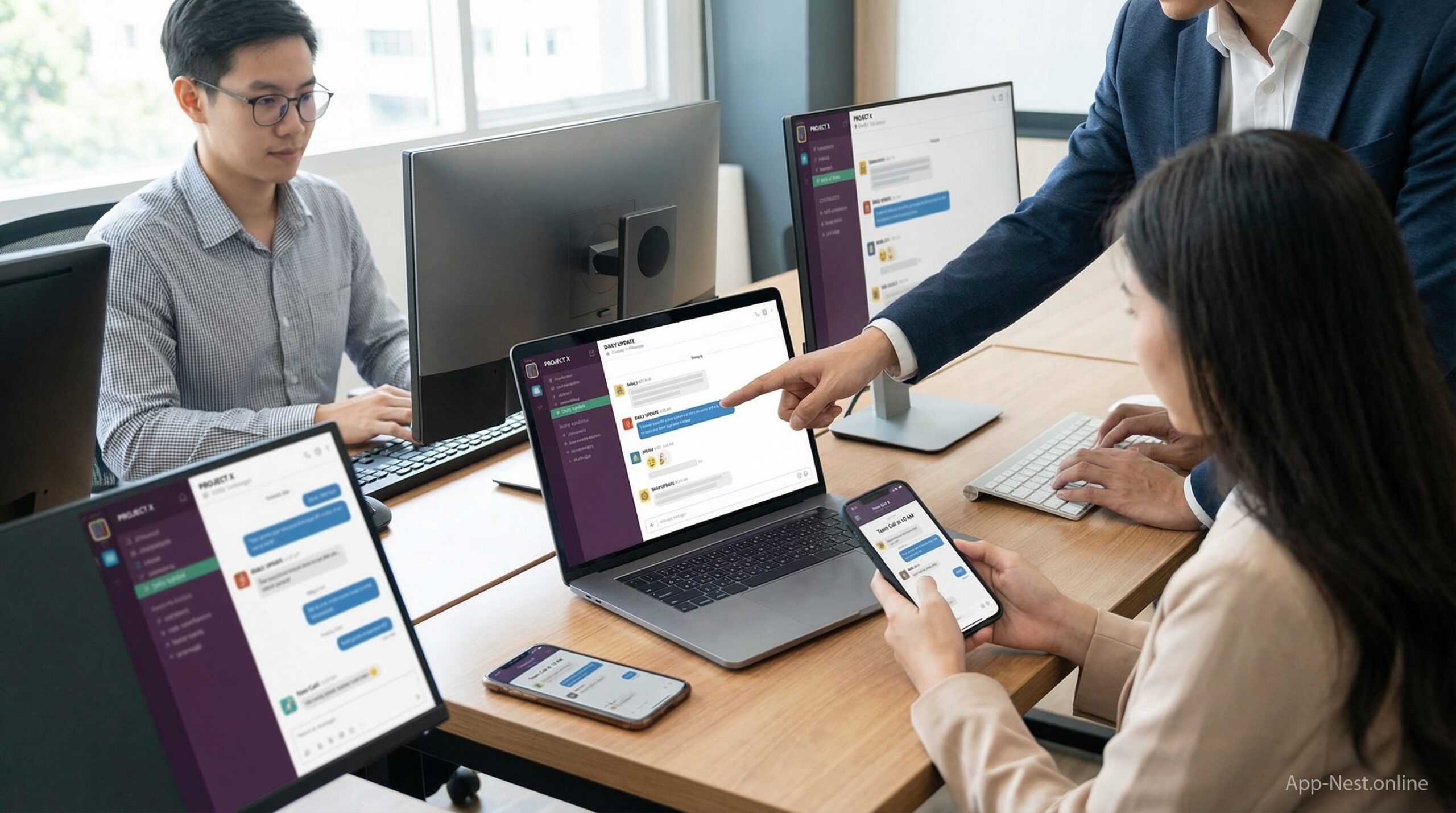
Workplace communication has shifted from traditional methods to digital platforms. Team communication apps now play a central role in how organizations share information, coordinate tasks, and manage group messaging. These apps support communication between employees, teams, and departments through organized digital systems.
This article explains team communication apps for workplace collaboration and group messaging, how they work, how teams use them, and how they support communication across modern work environments.
What Are Team Communication Apps
Team communication apps are digital platforms designed to help employees and teams communicate within an organization. These apps support messaging, group discussions, file sharing, and coordination through shared workspaces.
Users access team communication apps through mobile devices or computers. Communication happens through channels, groups, or direct messages. These platforms support both real-time and delayed communication.
Role of Team Communication Apps in Workplace Collaboration
Workplace collaboration depends on clear and consistent communication. Team communication apps support collaboration by centralizing conversations and shared information.
Teams use these apps to discuss tasks, share updates, and coordinate activities. Collaboration becomes structured when communication is organized by topics or teams.
Digital collaboration through apps reduces the need for in-person meetings and email chains.
Role of Group Messaging in Team Communication
Group messaging allows multiple team members to communicate in shared spaces. Group chats replace scattered conversations and keep discussions visible to relevant participants.
Group messaging supports transparency and shared understanding. Team members stay informed about decisions and updates through group communication.
These apps support group messaging for projects, departments, and cross-functional teams.
Types of Team Communication Apps
Team communication apps can be grouped based on how they support workplace interaction.
Channel Based Communication Apps
Channel based apps organize conversations into topic-specific channels. Teams communicate within channels related to projects or departments.
This structure helps keep communication organized and searchable.
Group Messaging Apps
Group messaging apps focus on chat-based communication among team members. Groups are created for teams or projects.
Messages are shared in real time or viewed later by participants.
Collaboration and Messaging Apps
Some apps combine messaging with collaboration tools. These platforms support chat, file sharing, and task discussion in one place.
Teams manage communication and collaboration through shared interfaces.
Remote Team Communication Apps
Remote team apps support distributed work environments. These apps help teams communicate across locations and time zones.
Remote collaboration relies on digital messaging and shared workspaces.
Enterprise Communication Apps
Enterprise communication apps support large organizations. These apps include access controls and user management features.
Organizations manage communication across departments through structured systems.
How Team Communication Apps Work
Team communication apps work through internet-based systems that manage messages and shared content.
Users create accounts linked to organizations. Teams are organized into groups or channels. Messages are sent through servers and delivered to participants.
Files and links are shared within conversations. Apps store message history and shared resources for future reference.
Notifications inform users about new messages or mentions.
How Teams Use Communication Apps for Daily Work
Teams rely on communication apps for everyday tasks.
Task Coordination
Team members discuss tasks and responsibilities. Messaging helps clarify work assignments.
Project Discussions
Projects are discussed through group chats. Updates and decisions are shared within teams.
Information Sharing
Teams share documents, links, and updates. Shared content remains accessible to participants.
Internal Announcements
Organizations share announcements through communication channels. Employees receive updates centrally.
Feedback and Questions
Employees ask questions and provide feedback through group messaging. Communication becomes accessible.
How Managers Use Team Communication Apps
Managers use communication apps to coordinate teams.
Team Updates
Managers share updates and goals. Communication keeps teams aligned.
Monitoring Progress
Discussions help managers understand project status. Communication records support oversight.
Cross-Team Communication
Managers communicate with different teams. Apps support coordination across departments.
Decision Communication
Decisions are shared through channels. Team members stay informed.
Benefits of Team Communication Apps for Workplace Collaboration
Team communication apps support collaboration in multiple ways.
Centralized Communication
All conversations occur in one platform. Teams avoid scattered messages.
Shared Visibility
Group messaging allows team members to see discussions. Information remains accessible.
Reduced Email Dependency
Short messages replace long email threads. Communication becomes direct.
Support for Remote Work
Teams communicate regardless of location. Remote collaboration continues through digital platforms.
Communication History
Message history remains available. Teams review past discussions when needed.
Benefits of Group Messaging in Team Communication
Group messaging supports team interaction.
Faster Updates
Information reaches all group members quickly. Updates are shared in real time.
Collective Discussion
Teams discuss topics together. Decisions are made with shared input.
Coordination Support
Group chats support coordination for meetings and tasks.
Shared Context
All members see the same messages. Context remains consistent.
Challenges of Team Communication Apps
Team communication apps also present challenges.
Message overload may affect focus. Too many channels can cause confusion. Notifications may interrupt work.
Clear communication guidelines are required. Teams must manage how apps are used.
Privacy and access control are important in workplace communication.
Privacy and Security in Team Communication Apps
Security is essential for workplace communication.
Team communication apps use authentication to protect accounts. Access controls limit who can view messages.
Organizations manage user permissions and data access. Communication records must be protected.
Employees should follow organizational communication policies.
Choosing Team Communication Apps for Workplace Use
Selecting the right communication app depends on workplace needs.
Organizations should consider:
Group messaging features
Channel organization options
File sharing support
User management controls
Device compatibility
Apps should support team size and work structure.
Team Communication Apps for Small Teams
Small teams use communication apps to stay connected.
These apps support informal communication and task discussion. Small teams benefit from shared messaging spaces.
Communication apps help small teams coordinate without complex systems.
Team Communication Apps for Large Organizations
Large organizations use communication apps to manage many teams.
These apps support structured channels and access control. Communication is organized by department or project.
Large teams rely on digital platforms for coordination.
Role of Team Communication Apps in Remote Work
Remote work depends on communication apps.
Teams collaborate through group messaging and shared discussions. Physical distance does not limit communication.
Remote teams rely on digital communication for coordination and connection.
Team Communication Apps and Collaboration Culture
Communication apps influence workplace culture.
Open group messaging supports transparency. Team members feel connected through shared discussions.
Collaboration culture develops through regular digital interaction.
Integration of Team Communication Apps with Work Tools
Some communication apps integrate with task and project tools.
Integration allows teams to receive updates within chat platforms. Communication connects with workflows.
Integrated systems support work coordination.
Impact of Team Communication Apps on Workplace Productivity
Communication apps affect how work is done.
Clear messaging helps teams avoid misunderstandings. Group discussions support coordination.
Productivity improves when communication is structured.
Future of Team Communication Apps
Team communication apps will continue to support workplace collaboration.
Digital communication platforms will remain part of organizational workflows. Teams will rely on apps for messaging and coordination.
Workplace communication will continue to evolve through digital platforms.
Conclusion
Team communication apps support workplace collaboration and group messaging through digital platforms. These apps help teams communicate, share information, and coordinate tasks in structured environments.
Employees and managers use communication apps for daily interaction, project discussion, and organizational updates. Group messaging supports shared understanding and collaboration.
As workplaces continue to use digital systems, team communication apps will remain an important part of how teams connect, collaborate, and communicate in professional environments.