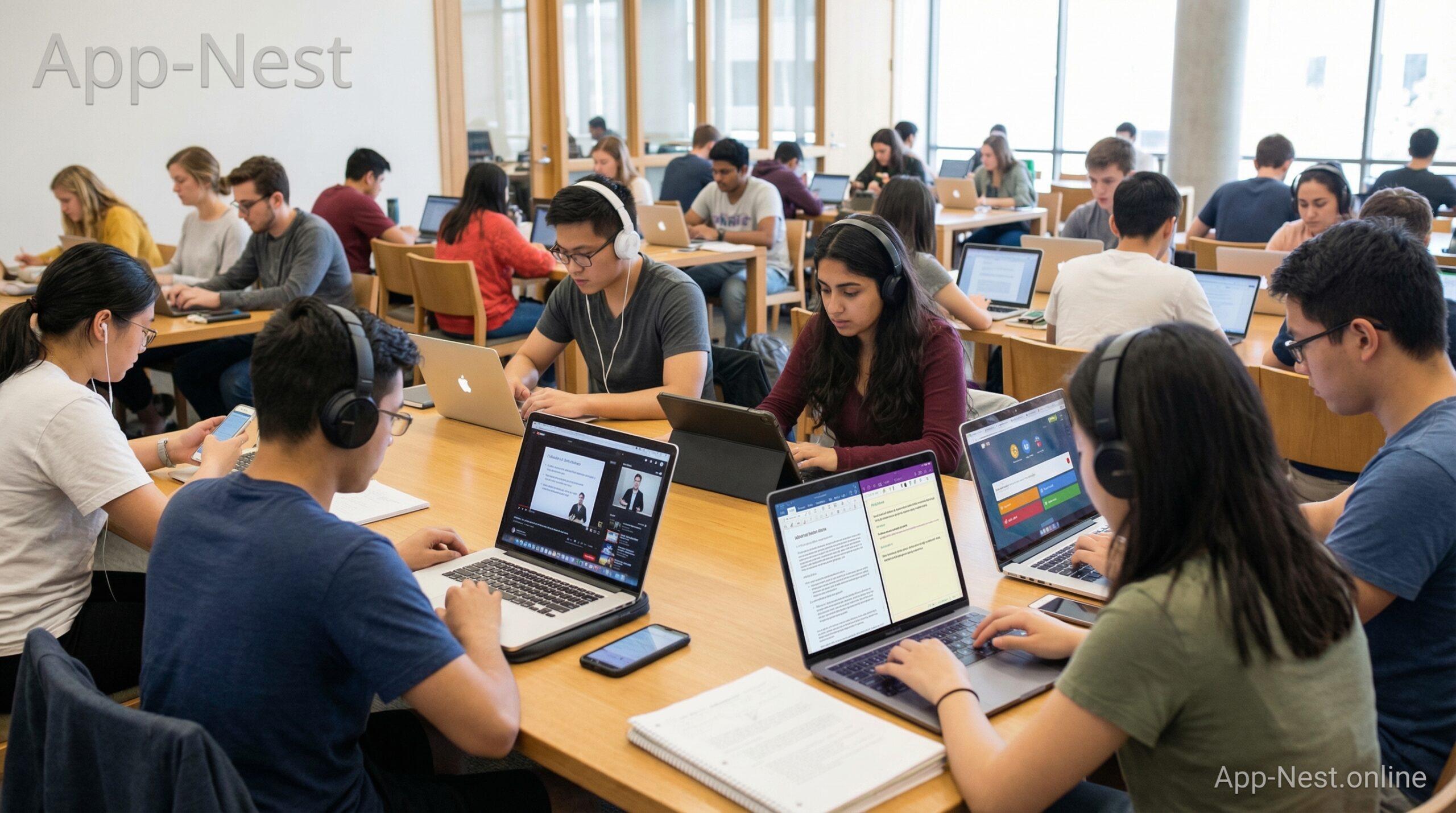

Career development has become closely connected with continuous learning. Skill learning apps play an important role in helping individuals gain knowledge required for work and professional growth. These apps provide access to training programs, learning modules, practice tasks, and assessments through digital platforms. Learners use skill learning apps to improve abilities, change career paths, and stay relevant in the job market.
This article explains how skill learning apps support career growth and professional training, how they are used, and why they are part of modern learning systems.
What Are Skill Learning Apps
Skill learning apps are digital platforms designed to help users learn job-related and professional skills. These apps provide structured lessons, practice exercises, tasks, and assessments. Users access learning content through mobile phones, tablets, or computers.
Skill learning apps focus on practical knowledge used in work environments. These apps support learning in areas such as technology, communication, business, and management.
Role of Skill Learning Apps in Career Growth
Career growth requires ongoing learning and skill development. Skill learning apps support this process by providing access to training without the need for formal classrooms. Learners use these apps to gain new skills or improve existing ones.
Skill learning apps allow users to learn while managing work schedules. Learning content is available on demand, which supports self learning and career planning.
Role of Skill Learning Apps in Professional Training
Professional training apps help individuals prepare for job roles and responsibilities. These apps support training programs used by companies, institutions, and individuals.
Professional training through apps includes:
- Role-based learning
- Skill practice
- Knowledge assessments
- Training completion tracking
Skill learning apps support both individual and organizational training needs.
Types of Skill Learning Apps
Skill learning apps can be grouped based on the type of training they offer.
Technical Skill Learning Apps
These apps focus on technical knowledge used in industries. Learners use them to study programming, data handling, system operations, and technical tools.
Business Skill Learning Apps
Business skill apps focus on skills related to management, finance, and operations. Users learn concepts related to workplace processes and decision making.
Communication Skill Learning Apps
Communication skill apps help users improve speaking, writing, and presentation skills. These apps support professional communication training.
Career Training Apps
Career training apps focus on preparing users for job roles. These apps include lessons related to industry requirements and workplace skills.
Certification and Training Apps
Some skill learning apps provide certification-based learning. Users complete lessons and assessments to receive proof of training completion.
How Professionals Use Skill Learning Apps
Professionals use skill learning apps for various career-related purposes.
Learning New Skills
Professionals use apps to learn skills required for job transitions or new responsibilities. Learning apps support structured learning paths.
Skill Improvement
Some professionals use apps to improve existing skills. Practice exercises help refine abilities used in daily work.
Training and Upskilling
Companies and individuals use skill learning apps for training programs. These apps support upskilling and reskilling initiatives.
Certification Preparation
Professionals use apps to prepare for certification programs. These apps provide study material and assessments.
How Students Use Skill Learning Apps
Students also use skill learning apps to prepare for careers. These apps help students gain practical knowledge beyond academic subjects.
Students use skill learning apps to:
- Learn career-related skills
- Prepare for internships
- Practice professional tools
- Build knowledge for job roles
Skill learning apps help students transition from education to work environments.
Key Features of Skill Learning Apps
Skill learning apps include features that support professional training.
Structured Learning Paths
Lessons are organized into modules. Learners follow step-by-step learning paths.
Practice Tasks
Apps include exercises and tasks that support skill practice. Practice helps users apply learning.
Assessments
Assessments help evaluate learning progress. Users review results and identify gaps.
Progress Tracking
Apps track completed lessons and training activities. Learners monitor learning status.
Learning Records
Some apps maintain records of completed training. These records support professional documentation.
Benefits of Skill Learning Apps
Skill learning apps provide several benefits for career and professional development.
Access to Training
Users access training material without location limits. Learning continues outside classrooms.
Flexible Learning Schedules
Learners study based on personal and work schedules. Skill learning apps support self paced learning.
Focused Skill Development
Apps focus on specific skills. Learners concentrate on areas relevant to career goals.
Support for Career Planning
Skill learning apps help users plan learning paths based on career needs.
Continuous Learning Support
Apps support ongoing learning. Users update skills as job requirements change.
Challenges of Skill Learning Apps
Skill learning apps also have challenges. Internet access is required for app usage. Device availability affects access. Learners need discipline to complete training programs.
Some users may need guidance to select suitable learning paths. Data privacy and platform reliability are also important considerations.
Choosing Skill Learning Apps for Career Growth
Choosing the right skill learning app depends on career goals.
Users should consider:
- Skill focus
- Learning structure
- Practice and assessment methods
- Certification availability
- Progress tracking features
Professionals should choose apps aligned with job requirements.
Skill Learning Apps in Corporate Training
Companies use skill learning apps for employee training. These apps support onboarding, training, and development programs.
Organizations use apps to deliver training to teams. Skill learning apps help manage training records and assessments.
Skill Learning Apps and Self Learning
Self learning plays an important role in career development. Skill learning apps support independent learning without formal training programs.
Learners use apps to study skills at their own pace. Self learning through apps supports personal and career growth.
Skill Learning Apps and Career Transitions
Skill learning apps help individuals change career paths. Learners use apps to gain new skills required for different roles.
Training through apps supports career changes without long-term classroom programs.
Impact of Skill Learning Apps on Workforce Development
Skill learning apps support workforce development by providing training access. These apps help individuals and organizations develop skills required for work roles.
Learning apps support skill development across industries.
Future of Skill Learning Apps
Skill learning apps will continue to support career growth and professional training. Digital training platforms will remain part of workforce development.
As job requirements change, skill learning apps will help users adapt through continuous learning.
Conclusion
Skill learning apps support career growth and professional training by providing access to structured learning, practice, and assessments. Professionals use these apps to learn new skills, improve existing abilities, and complete training programs. Students use skill learning apps to prepare for careers and job roles.
Skill learning apps help deliver training without physical classrooms. These apps support self learning, career planning, and professional development. As learning becomes part of career growth, skill learning apps will remain an important part of professional training systems.