
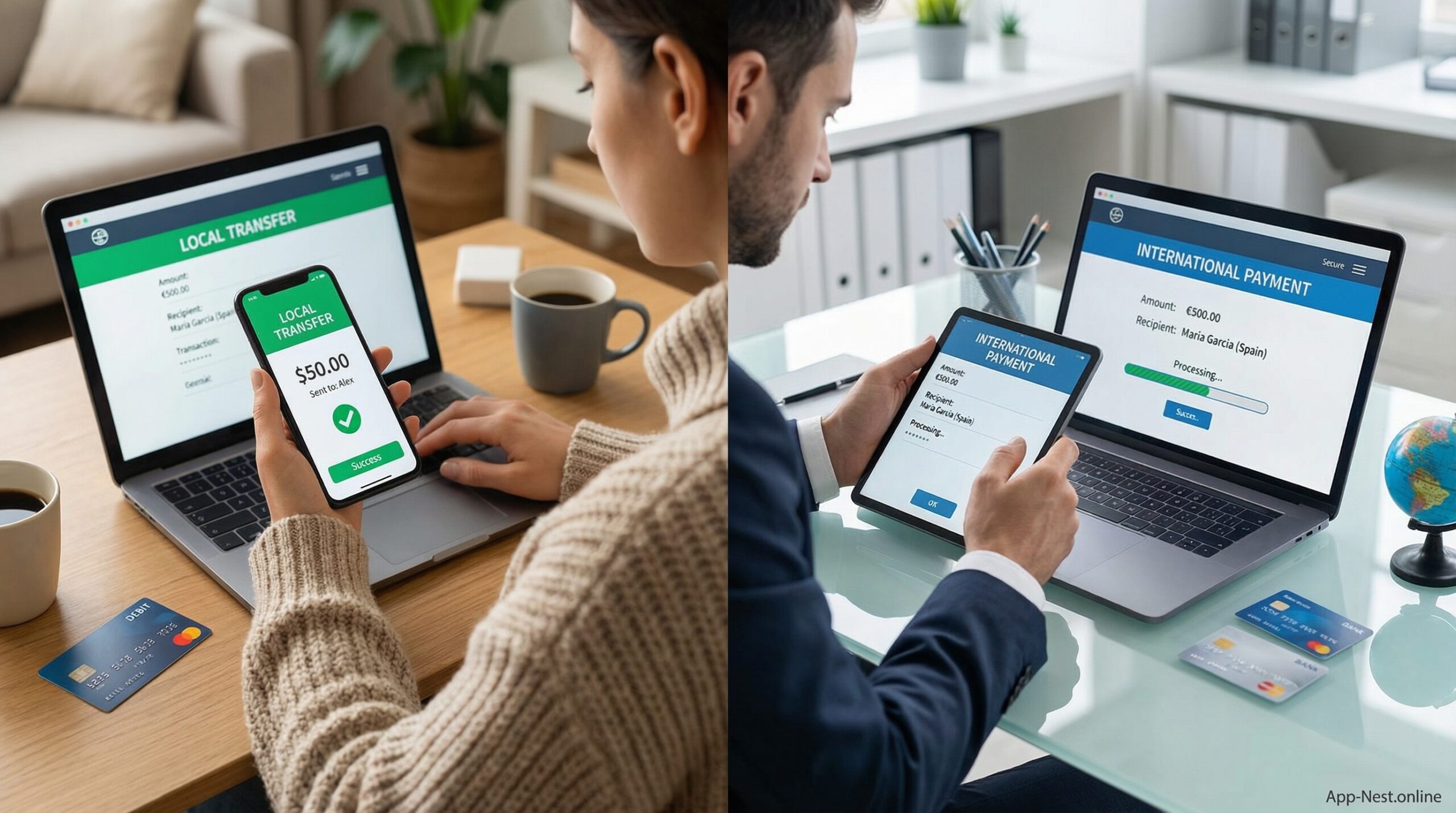
Money transfer apps have changed how people send and receive funds. Individuals, families, freelancers, and businesses use these apps to move money locally and across borders through digital platforms. Money transfer apps support payments without physical cash, long waiting times, or in-person visits to banks or agents.
This article explains money transfer apps for local and international payments, how they work, how users rely on them, and how they support digital financial transactions.
What Are Money Transfer Apps
Money transfer apps are digital platforms that allow users to send and receive funds electronically. These apps connect users to bank accounts, cards, or digital wallets. Transfers can be completed using mobile phones or computers.
Money transfer apps support transactions between individuals, businesses, and service providers. They are used for domestic transfers and cross-border payments.
Role of Money Transfer Apps in Digital Payments
Money transfer apps support digital payments by replacing manual money exchange methods. Users initiate transfers through app interfaces connected to financial systems. Transactions are processed electronically and recorded digitally.
These apps allow users to move money across cities, regions, and countries. Digital transfers reduce dependence on physical cash handling.
Types of Money Transfer Apps
Money transfer apps can be grouped based on transfer purpose and payment coverage.
Local Money Transfer Apps
Local transfer apps support payments within the same country. Users send money to other users, pay merchants, or transfer funds between accounts. These apps support daily financial activities.
International Money Transfer Apps
International transfer apps support cross-border payments. Users send money to recipients in other countries. Transfers are processed through global payment networks.
Peer-to-Peer Transfer Apps
Peer-to-peer apps allow direct transfers between individuals. Users send money using phone numbers, usernames, or account details.
Wallet-Based Transfer Apps
Wallet apps store digital balances. Users add funds and transfer money to other wallets or bank accounts.
Bank-Linked Transfer Apps
Bank-linked apps connect directly to bank accounts. Users transfer money through banking networks using digital interfaces.
Business Money Transfer Apps
Business transfer apps support payments between companies and clients. These apps help manage business transactions and payment records.
How Money Transfer Apps Work
Money transfer apps operate through digital connections with banks and payment networks.
Users create accounts and verify identities. Payment sources such as bank accounts or cards are linked. When a transfer is initiated, the app processes the request through financial systems.
Transaction status is updated within the app. Users receive notifications and access transaction history.
How Individuals Use Money Transfer Apps
Individuals rely on money transfer apps for personal financial needs.
Sending Money Locally
Users send money to family members and friends. Transfers are completed through digital platforms without physical interaction.
Receiving Money
Users receive funds directly into accounts or wallets. Payment notifications confirm successful transfers.
Paying for Services
Some users pay for services and subscriptions using transfer apps. Transaction records remain available.
Managing Personal Transfers
Users review transaction history to track sent and received payments. Apps help manage personal money flow.
How Money Transfer Apps Support International Payments
International payments involve cross-border financial systems. Money transfer apps simplify this process.
Cross-Border Transfers
Users send funds to recipients in other countries. Apps manage currency handling and transfer routing.
Support for Global Recipients
Recipients receive funds through local banking systems or wallets. Transfers are tracked through digital records.
Payment Tracking
Users monitor transfer status. Apps provide confirmation when funds reach recipients.
Benefits of Money Transfer Apps for Local Payments
Money transfer apps support local payments in multiple ways.
Digital Access
Users complete transfers through mobile devices. Payments do not require physical visits.
Transaction Records
Apps store payment history. Users access records for reference.
Payment Reach
Users send money across cities and regions. Transfers are completed digitally.
Time Management
Transfers are initiated through apps without paperwork.
Benefits of Money Transfer Apps for International Payments
International transfer apps support global payments.
Cross-Border Access
Users send money across countries through digital platforms.
Centralized Transfer Management
Apps manage international payments through one interface.
Transaction Visibility
Users track international transfers through app dashboards.
Financial Connectivity
Apps connect users to global payment systems.
Security in Money Transfer Apps
Security is an important part of money transfer apps.
Apps use authentication methods such as login credentials and verification codes. Transaction data is protected through encryption. Monitoring systems help detect unauthorized activity.
Users should confirm recipient details and protect account information.
Challenges of Money Transfer Apps
Money transfer apps also face challenges.
Internet access is required for transfers. Incorrect recipient details may cause delays. International transfers may involve processing times based on financial networks.
Users must understand app features to avoid transaction errors. Data privacy and compliance requirements vary by region.
Choosing Money Transfer Apps for Local and International Payments
Choosing the right money transfer app depends on transfer needs.
Users should consider:
Local and international coverage
Supported payment methods
Transaction tracking features
Transfer limits
Security practices
Businesses should evaluate reporting and record-keeping features.
Money Transfer Apps for Migrant Workers and Families
Migrant workers use transfer apps to send money to families. These apps support cross-border remittances through digital systems.
Families receive funds through bank accounts or wallets. Transfer records help track remittance history.
Money Transfer Apps for Freelancers and Remote Workers
Freelancers receive payments from clients in different regions. Money transfer apps support cross-border income transfers.
These apps help freelancers manage payments without traditional banking delays.
Money Transfer Apps for Business Transactions
Businesses use money transfer apps for vendor payments and client transactions. Digital records support accounting and financial tracking.
International business payments rely on transfer apps to manage cross-border transactions.
Role of Money Transfer Apps in Cashless Transactions
Cashless systems depend on digital transfers.
Money transfer apps support cashless payments by enabling electronic fund movement. Users complete transactions without physical currency.
These apps support digital payment ecosystems.
Role of Money Transfer Apps in Online Commerce
Online commerce relies on payment and transfer apps.
Marketplaces and service platforms use transfer systems for payouts and refunds. Money transfer apps support order payments and settlements.
Impact of Money Transfer Apps on Financial Access
Money transfer apps expand access to financial services.
Users without access to physical banking locations rely on digital transfer platforms. These apps support financial participation through mobile devices.
Money transfer apps support digital inclusion.
Future of Money Transfer Apps
Money transfer apps will continue to support local and international payments.
Digital financial systems will remain part of global transactions. Apps will adapt to changing payment needs and regulations.
Users and businesses will continue relying on money transfer apps for digital payments.
Conclusion
Money transfer apps support local and international payments through digital platforms. These apps allow users to send and receive money without physical cash or in-person visits.
Individuals use transfer apps for personal payments and family support. Professionals and businesses use them for income and transactions. Money transfer apps support cashless systems and global financial connectivity.
As digital payments continue to grow, money transfer apps will remain an important part of financial transactions and digital money movement.