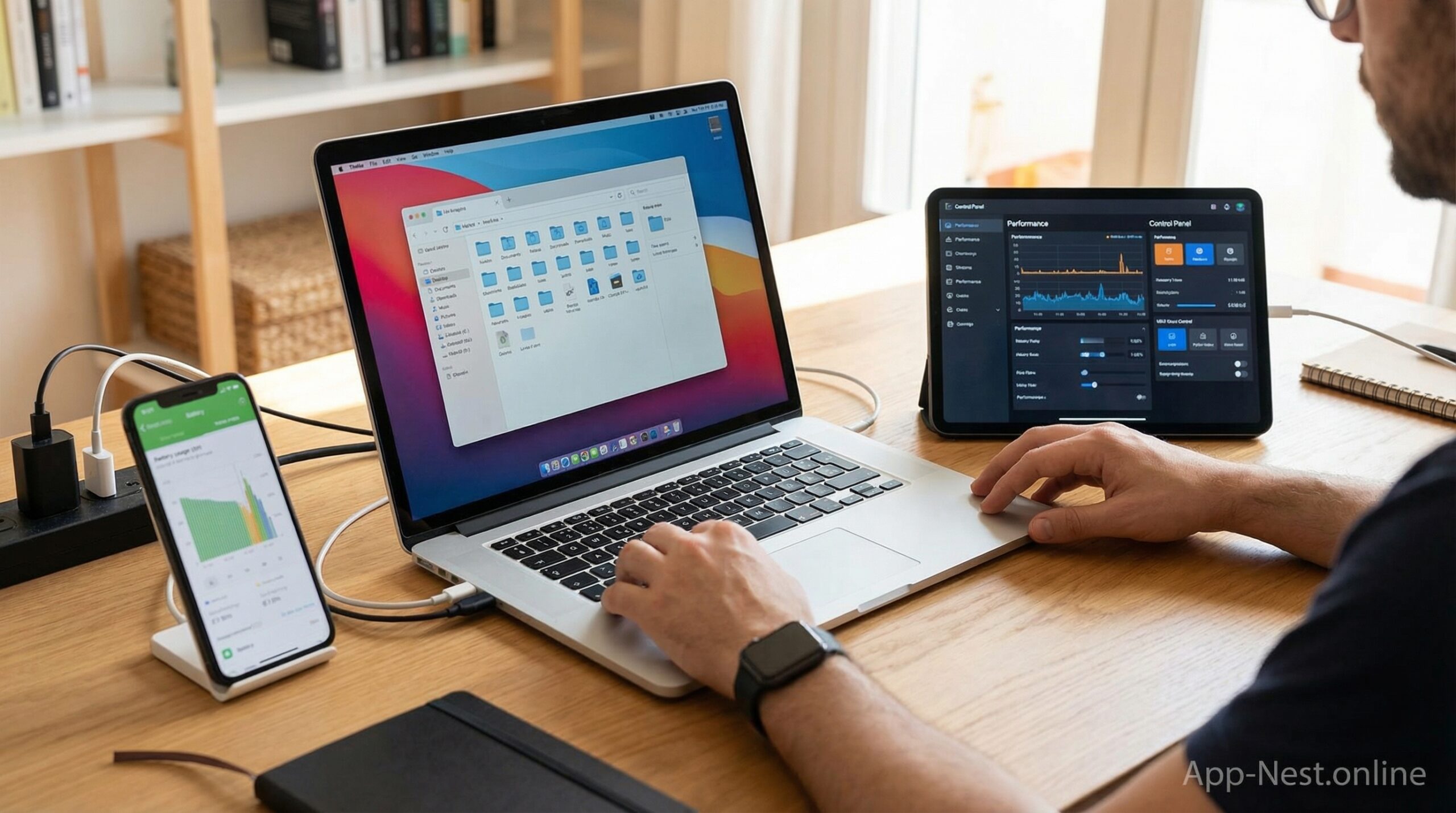
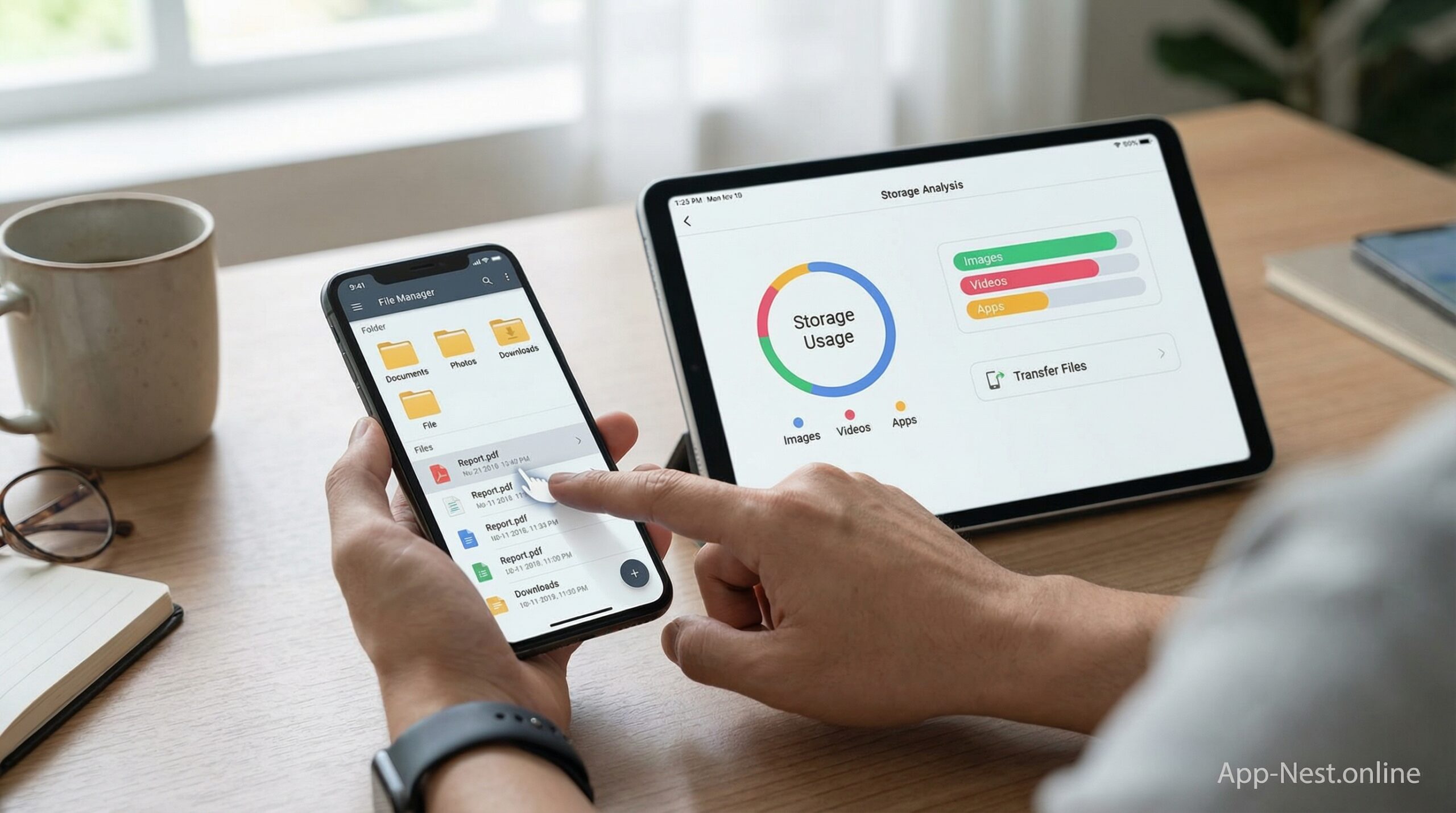
Mobile devices store a wide range of data such as documents, images, videos, audio files, and application data. As storage fills over time, managing files becomes an important part of daily mobile use. Mobile utility apps for file management and storage organization help users control how files are stored, accessed, and arranged on their devices.
This article explains mobile utility apps used for file management and storage organization, how they work, how users rely on them, and how they support daily mobile device usage.
What Are Mobile Utility Apps for File Management
Mobile utility apps for file management are digital tools designed to help users view, organize, move, and manage files stored on mobile devices. These apps provide access to internal storage, external storage, and app-generated files.
Users install file management apps on smartphones or tablets. These apps allow users to browse folders, manage file locations, and control storage usage through simple interfaces.
Role of File Management in Mobile Device Usage
File management plays a role in keeping mobile devices organized. Files stored without structure can become difficult to locate and manage. File management helps users maintain order and access data efficiently.
Mobile utility apps support file management by allowing users to create folders, rename files, and remove unused data. These actions help users maintain control over stored content.
Role of Storage Organization in Mobile Devices
Storage organization refers to arranging files and data in a structured way. Organized storage helps users avoid unnecessary duplication and storage congestion.
Mobile utility apps support storage organization by showing how space is used and which files consume storage. Users use this information to decide how to manage data.
Storage organization supports smooth mobile device operation.
Types of Mobile Utility Apps for File Management
Mobile utility apps for file management can be grouped based on their functions.
File Browser Apps
File browser apps allow users to navigate through device storage. Users view folders and files stored on internal or external storage.
These apps support basic file operations such as opening and copying files.
File Organizer Apps
File organizer apps help users arrange files into folders. Users categorize files by type or purpose.
Organizing files supports easier access and storage control.
Storage Analyzer Apps
Storage analyzer apps show how storage space is used. Users view storage breakdowns based on file type.
These apps help users identify files that use significant space.
File Transfer Apps
File transfer apps support moving files between devices or storage locations. Users transfer files within the device or to other devices.
These apps support data movement and sharing.
Cleanup and Management Apps
Some utility apps support file cleanup. Users identify unused or duplicate files and remove them.
Cleanup supports storage availability.
How Mobile File Management Apps Work
Mobile file management apps work by accessing device storage through allowed system permissions.
Users install the app and grant access to storage. The app scans storage and displays file structures. Users interact with files through touch-based interfaces.
Operations such as moving, deleting, or renaming files are performed within the app. Changes are applied to device storage directly.
How Users Use File Management Apps Daily
Users rely on file management apps for routine storage tasks.
Browsing Files
Users browse files stored on their devices. File browsing supports access to documents and media.
Organizing Storage
Users create folders and move files. Organization supports structured storage.
Removing Unused Files
Users identify files no longer needed. Removing files frees storage space.
Managing Downloads
Downloaded files are organized using file management apps. Users move files from default download folders.
Handling Media Files
Users manage images, videos, and audio files. File management helps control media storage.
Benefits of Mobile Utility Apps for File Management
Mobile utility apps support file management in several ways.
Improved File Access
Organized files are easier to locate. Users spend less time searching.
Storage Control
Users see how storage is used. Control helps prevent storage issues.
Reduced Clutter
Removing unused files reduces clutter. Devices remain organized.
Data Organization
Files are arranged by category or purpose. Organization supports daily tasks.
Support for Data Management
Users manage data without external tools. Mobile apps provide direct access.
Benefits of Storage Organization Through Utility Apps
Storage organization supports device usability.
Space Awareness
Users understand storage usage patterns. Awareness supports better decisions.
File Categorization
Categorizing files supports retrieval. Users locate files easily.
Device Stability
Organized storage supports smooth device operation.
Backup Preparation
Organized files are easier to back up. Storage structure supports data protection.
Challenges of Mobile File Management Apps
Mobile file management apps also present challenges.
Users must understand file structures to avoid deleting important data. Some system files should not be modified.
Permissions must be reviewed carefully. Improper access control may affect device behavior.
Compatibility may vary across device platforms.
Choosing Mobile Utility Apps for File Management
Selecting a file management app depends on user needs.
Users should consider:
Storage access options
File operation features
Interface clarity
Permission requirements
Device compatibility
Apps should provide clear control and transparency.
Mobile File Management Apps for Different Users
File management apps support various user groups.
General Users
General users manage personal files and media. File apps support daily storage tasks.
Students
Students organize study materials and documents. File management supports academic work.
Professionals
Professionals manage work files on mobile devices. Organization supports productivity.
Content Creators
Content creators manage media files. File apps support storage control.
Role of File Management Apps in Digital Organization
Digital organization depends on file management.
File apps help users maintain structured storage. Organized data supports efficient digital workflows.
Digital organization reduces confusion and data loss.
File Management Apps and Data Security
File management apps influence data security.
Users control file access and storage locations. Organized files support secure handling.
Users should avoid modifying system files. Security practices are important.
File Management Apps and Cloud Integration
Some file management apps support cloud storage integration.
Users manage local and cloud files through one interface. Integration supports data access.
Cloud integration supports storage flexibility.
Impact of File Management Apps on Mobile Performance
Managing files supports mobile performance.
Removing unused files frees storage space. Organized storage supports system behavior.
File management apps help maintain device usability.
Future of Mobile Utility Apps for File Management
Mobile utility apps will continue to support file management and storage organization.
As mobile storage needs grow, users will rely on tools to manage data. File management apps will adapt to device system changes.
These apps will remain part of mobile device ecosystems.
Conclusion
Mobile utility apps for file management and storage organization help users manage files and control storage on mobile devices. These apps allow users to browse files, organize folders, analyze storage usage, and remove unused data.
Users rely on file management apps to maintain order and access data efficiently. Organized storage supports daily mobile device usage and data control.
As mobile devices continue to store large amounts of data, mobile utility apps for file management and storage organization will remain an important part of digital device management.