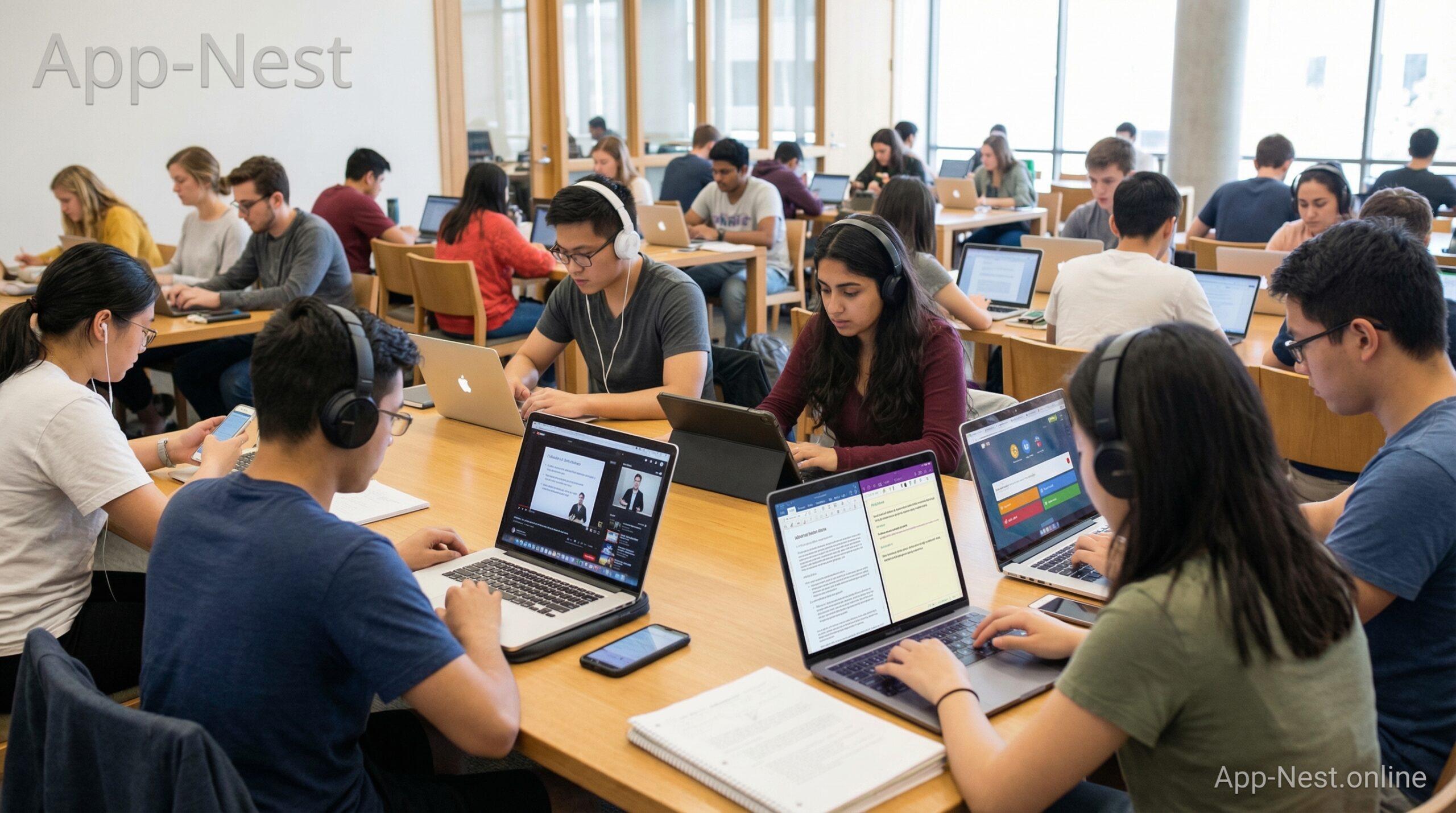

Education has expanded beyond classrooms with the growth of digital platforms. Educational apps now support learning for kids, students, and professionals. These apps provide access to lessons, practice material, courses, and skill-based learning through mobile phones and computers. Users rely on educational apps for school learning, exam preparation, career skills, and personal growth.
This article explains how educational apps serve different age groups, how they are used, and why they are an important part of modern education.
What Are Educational Apps
Educational apps are digital tools designed to support learning activities. These apps provide structured content such as lessons, videos, reading material, quizzes, and assignments. Educational apps are used in schools, colleges, training programs, and self learning environments.
Kids use these apps for early learning and practice. Students use them for academic subjects and exams. Professionals use educational apps to learn new skills and improve existing knowledge.
Role of Educational Apps in Modern Learning
Educational apps support learning outside traditional classrooms. These apps allow users to learn at their own pace and time. Teachers, parents, and learners use educational apps to access educational material and track progress.
Educational apps help connect learners with digital resources. They support learning through videos, interactive lessons, and assessments. These apps also help manage learning activities in an organized way.
Educational Apps for Kids
Educational apps for kids focus on early learning and basic education. These apps support reading, writing, numbers, and general knowledge. Kids learn through guided activities and simple tasks.
Learning Goals for Kids
Kids use educational apps to develop basic learning skills. These apps help with alphabet learning, number practice, reading, and problem solving. Educational apps support learning through games and activities designed for young learners.
Types of Educational Apps for Kids
Alphabet and number learning apps
Reading and storytelling apps
Math practice apps
Drawing and creativity apps
General knowledge apps
Role of Parents and Teachers
Parents and teachers guide kids while using educational apps. These apps help adults monitor learning progress. Educational apps also support home learning and classroom learning.
Educational Apps for Students
Students use educational apps for school, college, and exam preparation. These apps support academic learning and subject practice. Students rely on educational apps for daily study routines and revision.
Academic Learning Apps
Academic learning apps provide lessons on school and college subjects. Students access video lessons, notes, and quizzes. These apps support subjects such as mathematics, science, languages, and social studies.
Exam Preparation Apps
Exam preparation apps help students practice questions and tests. These apps provide mock exams, practice sets, and performance tracking. Students use these apps for school exams and competitive exams.
Online Course Apps
Online course apps offer structured courses for academic subjects. Students enroll in courses and follow lesson modules. These apps support learning beyond textbooks.
Student Use Cases
Students use educational apps to:
Attend online classes
Watch recorded lessons
Complete assignments
Practice exam questions
Track learning progress
Educational apps support both classroom learning and self study.
Educational Apps for Professionals
Professionals use educational apps for skill learning and career development. These apps focus on job-related skills and knowledge updates. Professionals rely on educational apps to learn without enrolling in full-time programs.
Skill Development Apps
Skill development apps provide training in areas such as technology, communication, management, and business. These apps include lessons, tasks, and practice exercises.
Professional Learning Apps
Professional learning apps focus on workplace learning. These apps provide training material and courses related to specific industries. Professionals use these apps to improve job skills.
Certification and Training Apps
Some educational apps provide certification courses. Users complete lessons and assessments to receive certificates. These apps support professional growth and learning goals.
Benefits of Educational Apps for All Age Groups
Educational apps offer benefits for kids, students, and professionals.
Flexible Learning Access
Users can access learning material at any time. Educational apps allow learning without fixed schedules.
Organized Learning Structure
Educational apps organize lessons, tasks, and assessments in one place. This helps users manage learning activities.
Self Learning Support
Educational apps support independent learning. Users can study topics without classroom support.
Progress Tracking
Many educational apps track user progress. Learners and educators use this data to monitor learning outcomes.
Support for Remote Education
Educational apps support distance learning. Users can learn from different locations.
Challenges of Using Educational Apps
Educational apps also have challenges. Internet access is required for most apps. Device availability can affect learning access. Screen time management is important for kids. Some users need guidance to use learning platforms.
Privacy and data protection are also important when using educational apps.
Choosing Educational Apps for Kids, Students, and Professionals
Choosing the right educational app depends on learning needs.
For Kids
Apps should match age level and learning goals. Parents should check content structure and safety features.
For Students
Students should choose apps based on subjects and exam needs. Apps should support practice and revision.
For Professionals
Professionals should select apps based on career goals. Skill learning apps should offer structured lessons and practice.
Educational Apps in Schools and Institutions
Schools and institutions use educational apps to support teaching. These apps help manage classes, assignments, and assessments. Educational apps support blended learning models.
Institutions use apps to deliver online courses and training programs. Educational apps help extend learning beyond classrooms.
Role of Educational Apps in Self Learning
Self learning has increased with educational apps. Users learn topics independently without formal classes. Educational apps support self paced learning and practice.
Many learners use educational apps for exam preparation and skill learning on their own.
Impact of Educational Apps on Education Systems
Educational apps have changed learning methods. Schools and colleges integrate digital tools into education systems. Learning becomes more accessible through apps.
Educational apps support education for different age groups and learning levels.
Educational Apps and Career Growth
Educational apps support career learning. Professionals use apps to learn new skills and improve job performance. Skill learning through apps helps users stay updated with industry requirements.
Educational apps also support training and workforce development.
Future of Educational Apps
Educational apps will continue to support learning for kids, students, and professionals. Digital learning platforms will remain part of education systems. Educational apps will support online education and skill training.
Learning through apps will continue to grow as technology becomes part of education.
Conclusion
Educational apps support learning for kids, students, and professionals. These apps provide access to lessons, courses, practice material, and skill training. Kids use educational apps for early learning. Students use them for academic study and exam preparation. Professionals use educational apps for skill development and career growth.
Educational apps help deliver learning without physical classrooms. They support self learning, online education, and professional training. As education continues to evolve, educational apps will remain an important part of learning systems.