
Education has changed due to the use of mobile applications. Students and teachers now depend on apps for learning, teaching, planning, practice, and communication. These apps support classrooms, remote learning, exam preparation, skill learning, and daily study routines. This article explains education and learning apps, their role, types, benefits, and how students and teachers use them in daily academic life.
What Are Education and Learning Apps
Education and learning apps are mobile or web-based tools created to support learning activities. These apps help users access lessons, courses, practice material, videos, quizzes, assignments, and academic resources. Some apps focus on school education, while others support higher education, exams, skills, and professional learning.
Teachers use these apps to create lessons, share material, manage students, and track progress. Students use them to learn subjects, complete assignments, revise topics, and prepare for exams.
Importance of Education Apps for Students
Students use learning apps for multiple academic tasks. These apps provide access to educational content at any time. Learners can study subjects based on their schedule. Education apps also help students revise topics through videos, quizzes, and notes.
Students preparing for exams use apps for practice tests, mock exams, and revision material. Learning apps help students track progress and identify weak areas. Many students use apps for language learning, coding, and academic skills.
Importance of Education Apps for Teachers
Teachers use education apps to manage classes and learning activities. These apps allow teachers to share assignments, notes, presentations, and test papers. Teachers can evaluate student performance through quizzes and assessments.
Education apps help teachers communicate with students and parents. Some apps support attendance tracking, grading, and lesson planning. Teachers can also access teaching resources and training material through learning apps.
Types of Education and Learning Apps
Education and learning apps are divided into several categories based on their use. Each type serves a different purpose in education.
Learning Management Apps
Learning management apps help manage courses, students, lessons, and assessments. Teachers upload content, create assignments, and track performance. Students access lessons and submit work through these platforms.
Online Course Apps
Online course apps provide structured courses on academic subjects and skills. These apps include video lessons, reading material, quizzes, and certificates. Students and teachers use these apps for structured learning.
Exam Preparation Apps
Exam preparation apps help students prepare for school exams, competitive exams, and professional tests. These apps offer practice questions, mock tests, solutions, and performance analysis.
Language Learning Apps
Language learning apps help users learn new languages. These apps include vocabulary lessons, grammar practice, speaking exercises, and listening activities. Students and teachers use them for language education.
Skill Learning Apps
Skill learning apps focus on non-academic skills such as coding, design, writing, and business skills. These apps support students and professionals looking to learn new skills.
Classroom Communication Apps
Classroom communication apps support interaction between teachers, students, and parents. These apps help share announcements, assignments, and feedback.
Reading and Library Apps
Reading apps provide access to digital books, textbooks, and academic publications. Students use these apps for reading material and reference content.
Note-Taking and Study Apps
Note-taking apps help students organize notes, tasks, and study schedules. Teachers also use these apps for lesson planning.
Video Learning Apps
Video learning apps deliver lessons through recorded or live videos. These apps support visual learning and remote education.
Quiz and Practice Apps
Quiz apps help students practice subjects through questions and tests. Teachers use them for assessments and revision activities.
How Students Use Education and Learning Apps
Students use education apps in various ways depending on their academic needs.
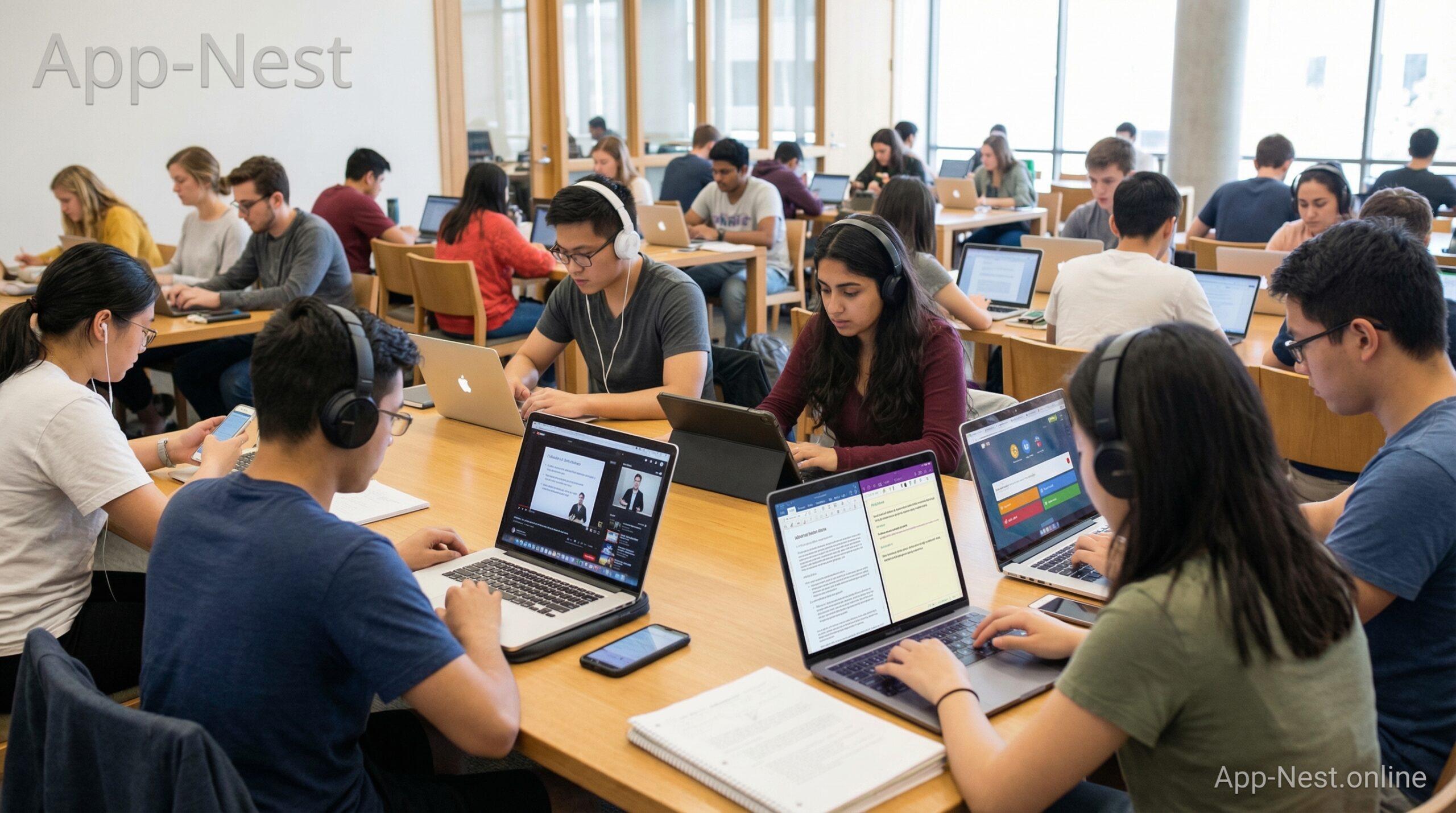
Students attend online classes through learning apps. They watch recorded lessons to understand topics. Students complete assignments and submit work using these platforms. Exam preparation apps help students practice questions and analyze results.
Students also use apps to learn languages and technical skills. Some students rely on learning apps for daily study routines and revision schedules.
How Teachers Use Education and Learning Apps
Teachers use learning apps to manage teaching tasks. They upload lessons and assignments. Teachers create quizzes and tests through these apps. Performance data helps teachers understand student progress.
Teachers use communication apps to share updates and announcements. Education apps also help teachers access teaching material and training programs.
Benefits of Education and Learning Apps
Education and learning apps offer several benefits to students and teachers.
Access to Learning Material
Apps provide access to educational content at any time. Students and teachers can use learning material outside classrooms.
Flexible Learning
Students can study at their own pace. Teachers can manage lessons based on class needs.
Organized Learning
Apps help organize lessons, notes, assignments, and schedules in one place.
Performance Tracking
Many education apps provide progress tracking and performance reports. Teachers and students use this data for improvement.
Support for Remote Learning
Education apps support online classes and distance education. This helps students continue learning without physical classrooms.
Challenges of Education Apps
Despite benefits, education apps also face challenges.
Internet access is required for most apps. Some students face device or connectivity issues. Screen usage can increase if not managed properly. Teachers may need training to use some platforms.
How to Choose Education Apps for Students and Teachers
Choosing the right education app depends on academic goals.
Students should select apps based on subjects, exams, or skills they want to learn. Teachers should choose apps that support lesson delivery, assessments, and communication.
Factors to consider include ease of use, content structure, language support, and privacy policies.
Role of Education Apps in Schools and Colleges
Schools and colleges use education apps for blended learning. These apps support classroom teaching and digital education. Institutions use apps for attendance, assignments, and assessments.
Education apps also help institutions offer online courses and remote classes.
Role of Education Apps in Self Learning
Self learning has grown due to education apps. Learners use apps to study subjects without formal classrooms. Many students prepare for exams or learn skills through apps.
Education apps support lifelong learning and continuous education.
Education Apps and Digital Education Growth
Digital education continues to grow with the use of apps. Education apps support online learning models and virtual classrooms. Schools, colleges, and training centers use apps to expand education access.
Education apps help reach learners in different regions. They also support flexible learning schedules.
Future of Education and Learning Apps
Education apps will continue to support academic and skill learning. Integration of new technologies will improve learning methods. Education apps will play a role in remote education, training, and digital classrooms.
Students and teachers will rely more on apps for learning management, communication, and assessments.
Conclusion
Education and learning apps support students and teachers in academic and skill-based learning. These apps help deliver lessons, manage classes, prepare for exams, and support self learning. Students use apps for study, practice, and revision. Teachers use them for teaching, assessments, and communication.
As education moves toward digital platforms, learning apps will remain an important part of education systems. Choosing the right education app helps students and teachers achieve learning goals effectively.